
Introduction
A part that looks clean can still fail. A film of oil under a weld, a trace of polishing compound before plating, or water trapped in a blind hole shows up later as porosity, poor adhesion, or flash rust.
A 2024 coatings study found that surface contamination degraded zinc-coating quality, and in some cases contaminants were associated with coating being absent. Cleanliness is quality control, not housekeeping.
The wrong method leaves oil, chips, rust, moisture, or chemical residue behind. The right one cuts hand scrubbing, rework, and downtime. This guide walks through the factors that matter: contamination, material, geometry, cleanliness targets, throughput, drying, safety, environmental rules, and total cost.
Key Takeaways
- No single method wins; contaminant, metal, geometry, volume, and required cleanliness decide.
- Aqueous, solvent, manual, spray, immersion, and ultrasonic systems each pair chemistry with different mechanical energy.
- Welding, coating, and plating demand attention to residue, moisture, and verification.
- Compare cost per part, not just equipment price.
What Is Metal Parts Washing?
Definition and Scope
Metal parts washing is the controlled removal of oils, grease, machining fluids, chips, dust, oxidation, rust, carbon, and polishing compounds before the next manufacturing or service step.
Common Metal Parts Cleaning Methods
- Manual cleaning: Flexible for low-volume or simple work, but results depend on operator technique and it takes labor.
- Spray cabinets: Heated solution at pressure suits heavily soiled parts or larger volumes. Capability still depends on the part and soil.
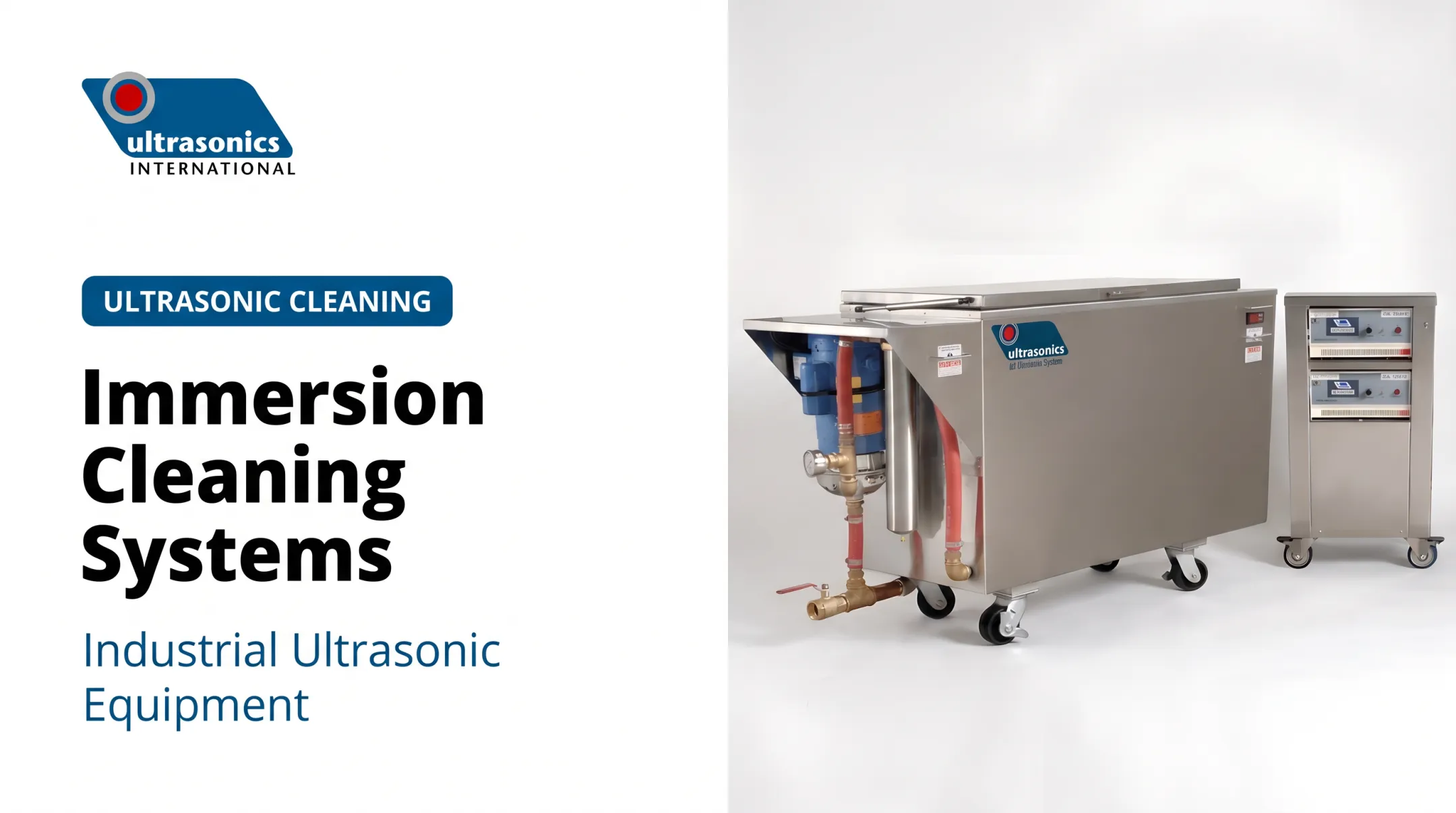
- Immersion: Parts soak for a set residence time. Good for batch work, but parts need to drain well.
- Aqueous multistage washers: Wash, rinse, and dry stages handle many water-soluble and particulate soils. They require water management and thorough drying.
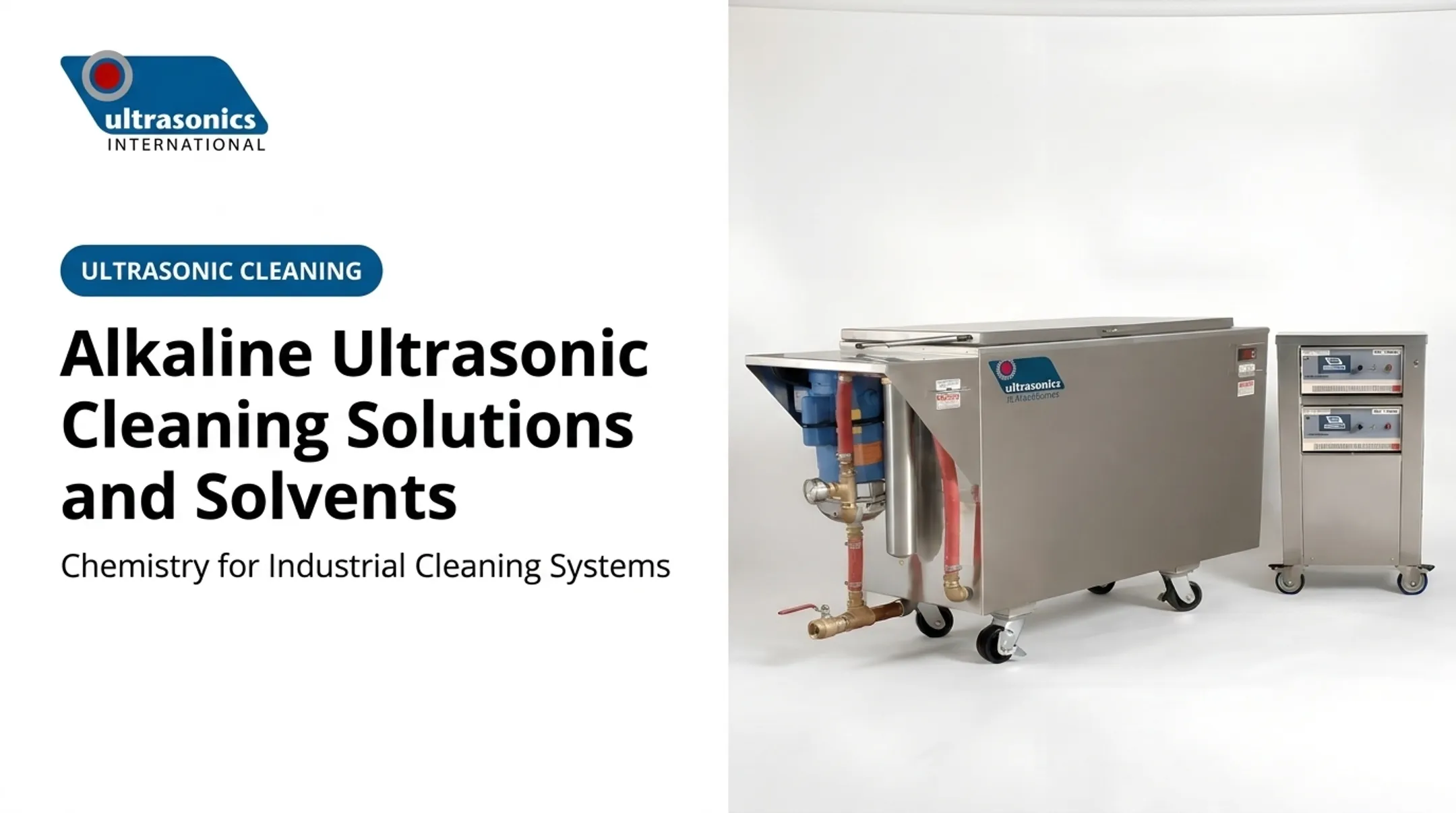
- Ultrasonic cleaning: Cavitation loosens contamination in crevices and recesses. Results depend on chemistry, frequency, loading, and placement; thick oils and greases can absorb the energy.
- Vapor degreasing: Boiling distilled solvent dissolves oils and greases in an enclosed process. It demands careful fluid selection, ventilation, worker protection, and regulatory review.
Core Components of a Reliable Process
Equipment alone does not clean parts. Chemistry, mechanical action, temperature, and time interact in what is often called Sinner's Circle. Lower the temperature and you may need longer time or stronger chemistry.
- Chemistry: Water is a polar solvent for polar soils. Surfactants emulsify oily soils for rinsing away. Solvents dissolve soils directly.
- Mechanical energy: Spray force, brushing, agitation, cavitation, or vapor action detaches soil from flat, threaded, or recessed surfaces.
- Support steps: Filtration limits redeposition and extends bath life. Rinsing, drying, and corrosion inhibitors prevent water spots and flash rust.

Benefits of Metal Parts Washing
Good cleaning improves surface preparation, weld and coating reliability, and consistency, while reducing rejects, rework, and hand scrubbing. Don't take those gains on faith. Validate them with cleanliness testing, defect tracking, cycle-time measurement, labor-hour comparisons, and cost-per-part analysis.
What to Consider When Choosing the Best Metal Parts Cleaning Method
Contaminant Type and Required Cleanliness
Start with the soil. Machining oil, grease, coolant, carbon, rust, scale, chips, and polishing compounds each call for different chemistry and energy. Define the target in measurable terms such as residue level, reject rate, or rework hours.
Material Compatibility and Corrosion Risk
Metals respond differently to pH, heat, solvents, and agitation.
- Aluminum: Cleaners formulated for stainless steel, especially high-pH alkaline products, may discolor or attack it.
- Copper, brass, and soft metals: Corrosion can rise with heat, aggressive chemistry, time, and agitation. Avoid mixing metals that form galvanic oxides.
- Soft machined or polished aluminum: Cavitation erosion is a documented concern in ultrasonic cleaning.
- Plated, coated, and sealed parts: No universal cleaner rule exists. Test before production use.

Part Geometry, Surface Access, and Loading
Blind holes, threads, narrow gaps, and internal passages decide whether a method reaches every surface. Blind holes must fill with liquid and then drain, since retained liquid carries into the next tank.
In ultrasonic baskets, parts can shadow one another, and a solid tray shields parts below it.
Throughput, Labor, and Process Integration
Low-volume batch work favors simple immersion or manual stations. Repetitive production favors automated or multistage lines.
Track parts per hour, labor hours, work-in-process, and downtime. Also weigh loading and unloading, floor space, and how the washer fits with machining or assembly.
Downstream Requirements, Drying, and Corrosion Protection
Welding, coating, plating, bonding, and storage each need a different level of cleanliness and dryness. The ASTM F22 water-break test is rapid and nondestructive, but it is qualitative: a go/no-go check. Pair it with drying verification and confirm any inhibitor residue won't interfere with the next step.
For steel, rapid water removal matters because water left during heated or air drying drives flash rust.
Safety, Environmental Compliance, and Total Cost of Ownership
Aqueous systems bring wastewater, rinse, and drying burdens. Solvent systems bring exposure limits, vapor controls, and air rules. Several solvents face tightening federal restrictions.
Under TSCA, current 40 CFR 751.307 prohibits most industrial TCE use in batch vapor degreasing after December 18, 2025. Methylene chloride and perchloroethylene have their own provisions. Check current OSHA, EPA, state, and local requirements before choosing a solvent route.
Cost goes well past the machine. Count labor, energy, chemistry, filtration, bath changes, disposal, maintenance, training, rework, and downtime.
Follow this sequence:
- Identify the soil.
- Confirm material and geometry.
- Define cleanliness and throughput requirements.
- Test a representative load.
- Validate the result.
- Calculate total cost per part.

How Ultrasonics International Corp. Can Help
Ultrasonics International Corp. is a USA-made manufacturer serving industrial, restoration, commercial, government, repair, and manufacturing customers. The team can help you evaluate ultrasonic equipment against your parts, soils, volume, and space.
The range covers:
- Benchtop units for smaller batches
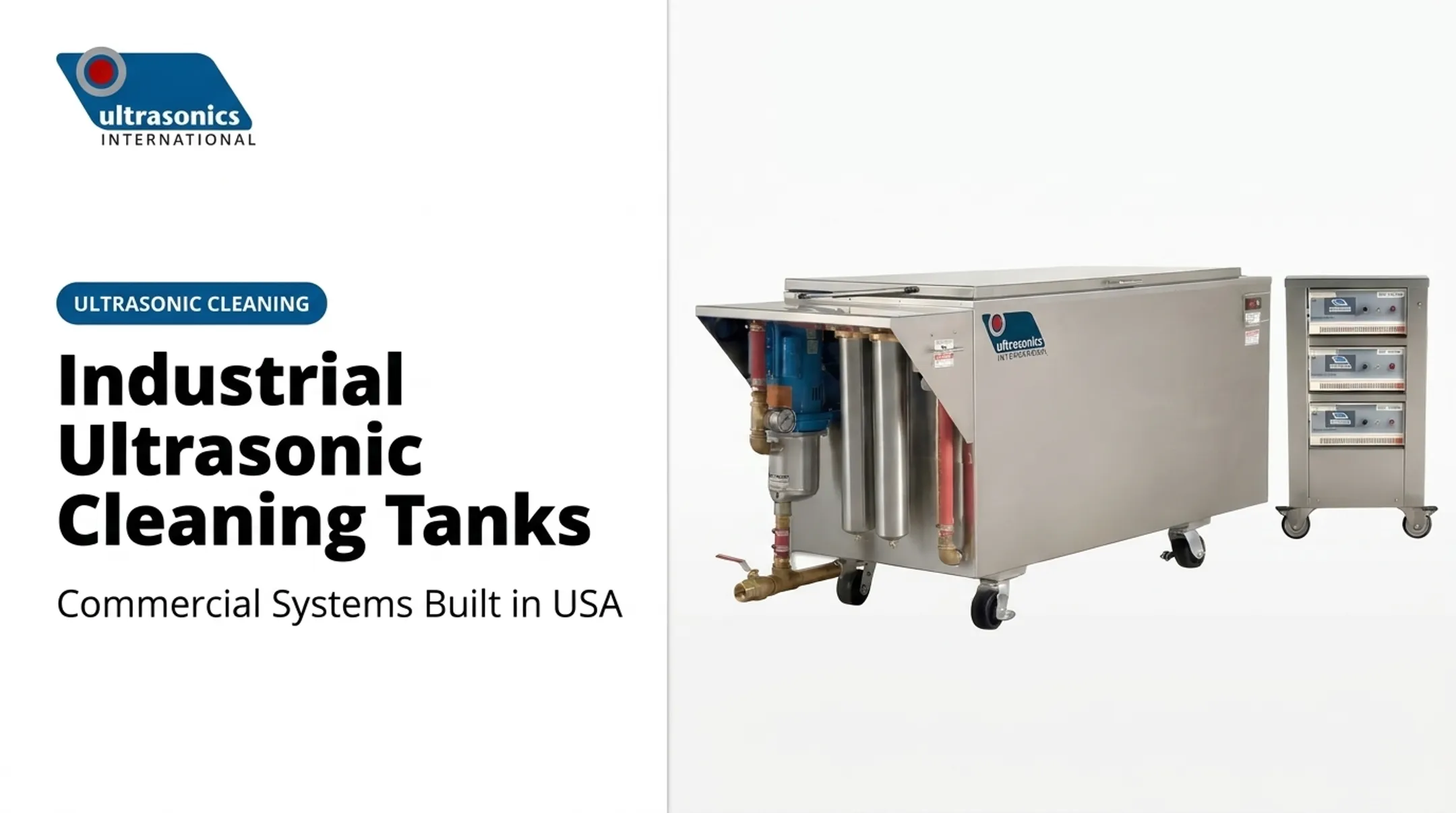
- Larger systems for industrial parts cleaning
- Custom ultrasonic machinery for specialized needs
- Generators, transducers, and adjustable components for retrofitting existing tanks
Equipment is built at the company's Ferndale, Washington plant with stainless-steel, unibody construction and Wave Sweep Technology. The Quality Assurance Institute oversees manufacturing, with third-party plant inspections twice a year. Technical installation assistance and ongoing support are available.

Before specifying a system, talk with the company about:
- Part dimensions, materials, and contamination
- Cleanliness requirements and batch size
- Downstream process needs
Then test your application to confirm chemistry, loading, cycle, rinsing, and drying. Reach the team at 800.500.2544 or sales@sonicpro.com.
Conclusion
The best method consistently reaches the required cleanliness without damaging the substrate or creating avoidable labor, corrosion, waste, or downtime. What matters is fit: contamination, geometry, material, throughput, downstream needs, and safety obligations.
Selection isn't a one-time decision. Review cleanliness results, bath condition, maintenance, operating cost, and production changes periodically, and adjust as the application evolves.
Frequently Asked Questions
What is the best way to clean metal parts?
It depends on the contaminant, metal, geometry, required cleanliness, throughput, and next process. Manual suits light, low-volume work. Aqueous spray handles heavier soils, ultrasonic reaches recesses, and solvents suit specific oils.
How do I remove rust from metal parts?
Rust removal differs from degreasing. Options include abrasives, acid or chelating oxide removers, electrolytic cleaning, and ultrasonic-assisted chemistry. Always rinse, dry, and apply corrosion protection afterward.
How do I clean metal parts for welding?
Remove oil, grease, paint, oxidation, and residue, and leave the surface dry. Follow the cleaning-compound manufacturer's instructions. Per AWS Z49.1, keep chlorinated-solvent vapors away from arc-welding ultraviolet radiation.
What cleaning method is best for oily or greasy metal parts?
Aqueous degreasing, ultrasonic cleaning, and solvent or vapor degreasing all work. Choose based on soil severity, geometry, throughput, residue tolerance, and drying needs.
Can ultrasonic cleaning remove contaminants from complex metal parts?
Cavitation reaches many recesses and crevices. Chemistry, frequency, temperature, part placement, loading density, and rinsing still determine the result.
How do I choose between aqueous and solvent-based cleaning?
Compare contaminant type, water compatibility, wastewater and drying needs, solvent handling, geometry, throughput, and total cost. Test representative parts before you buy.