
Introduction
Restoring a building and restoring what's inside it are two different jobs. Drywall and framing get dried, cleaned, and rebuilt. The furniture, electronics, textiles, documents, and tools need their own inventory, handling, and cleaning methods.
For restoration contractors, the pressure is practical. Stabilize items fast, document condition, clean each material safely, and return contents with clear records.
That workload scales quickly after a loss. The NFPA estimates 119,500 non-residential structure fires in 2024, causing $3.6 billion in direct property damage. That is broad fire context, not a contents-only figure.
This article covers the contents restoration process, restorable item categories, specialized cleaning equipment, and how to choose a capable partner.
Key Takeaways
- Contents restoration covers inventory, stabilization, cleaning, repair, deodorization, storage, and return.
- Material, contaminant, severity, and practicality decide the method for each item.
- Document packout, cleaning, testing, and return workflows instead of treating every item alike.
- Ultrasonic equipment suits compatible items when paired with proper chemistry, rinsing, drying, and quality control.
What Are Contents Restoration Services?
Contents restoration is the professional assessment, stabilization, cleaning, repair, deodorization, storage, and return of movable personal or business belongings affected by a damaging event.
IICRC's Contents Processing Technician (CPT) program covers inventory, wrapping, packing, transport, storage, and pack-back, including chain of custody.
Contents Restoration vs. Structural Restoration
Contents work focuses on movable items: furniture, electronics, textiles, documents, and household or commercial goods. Structural restoration addresses the building, fixtures, and permanently attached elements.
IICRC's draft S320 contents standard draws the same line between personal property and the building itself. That standard is still a draft, so treat its recommendations as guidance, not published requirements.
Why Contents Restoration Matters
- Preserves sentimental or hard-to-replace belongings
- Reduces unnecessary replacement
- Helps businesses resume operations sooner
Reliable national benchmarks for contents restoration cost or downtime are scarce, so be wary of any provider quoting precise savings.
Which Damage and Items Can Contents Restoration Address?
Common Damage Scenarios
Each damage source creates a different problem. The response depends on the source, contamination level, material, and time elapsed.
- Fire and smoke: Dry smoke leaves loose particles, while wet smoke leaves tacky, penetrating, odorous residue.
- Wildfire: Soot, char, and ash are combustion by-products of concern, according to the IICRC/RIA/CIRI wildfire guide.
- Water: Category 3 water is grossly contaminated. Weather-related ingress is not automatically Category 3.
- Mold: The EPA says drying wet items within 24-48 hours usually prevents mold. That applies to clean-water damage, not sewage or chemical contamination.
- Sewage and contaminants: These need specialist capability beyond ordinary contents cleaning.
Item Categories That May Be Restorable
- Textiles and upholstery: Bleeding dyes need conservator attention
- Wood and metal furniture, tools, and collectibles: Assessed case by case for soil type, finish, and structural soundness
- Electronics and appliances: NIST identifies soot deposition, corrosion, and current leakage as smoke-damage mechanisms
- Documents and books: The National Archives recommends freezing quantities that can't be handled within 48 hours
- Photographs: Stuck or clumped prints call for specialists
- Artwork: Canvas paintings need a conservator
Each category needs its own cleaning or repair method.
Salvageability, Triage, and Limitations
Professionals weigh several factors before deciding what to restore:
- Safety and contamination level
- Material sensitivity and condition
- Sentimental or business value
- Feasibility and replacement cost
The IICRC/RIA/CIRI wildfire guide notes that high cleaning cost relative to value, and heavily affected porous contents, can justify disposal.
No provider should promise every item can be restored.
How Does the Contents Restoration Process Work?
Initial Assessment, Inventory, and Triage
The first inspection identifies the damage source, then photographs and labels each item. Teams record pre-existing conditions, classify contents by material and contamination, and sort items into salvageable, questionable, and non-restorable.
Documentation supports accountability, claim review, and quality control. FEMA's NFIP Claims Manual, for instance, specifies room-by-room itemization with photos, make and model, serial numbers, quantity, age, and replacement cost.
Those are NFIP adjuster practices, not universal insurer rules. Draft S320 also recommends recording original location, condition, and pre-loss issues.
Stabilization, Packout, and Secure Transport
Stabilization stops further deterioration:
- Control drying
- Separate wet or contaminated contents
- Protect metals from corrosion
- Isolate fragile or hazardous items
Packout then groups items by material or cleaning category, with careful packaging and chain-of-custody tracking. Items travel to a secure facility with climate-appropriate storage when off-site processing is needed.
Cleaning and Decontamination
Match the method to the material and contaminant. Common options include:
- Hand cleaning
- Laundering and specialty textile processing
- Dry cleaning
- Electronics cleaning
- Document treatment
- Ultrasonic cleaning for suitable items
Draft S320 recommends testing an inconspicuous area and using the least aggressive effective method. Avoid anything that spreads contamination or damages finishes, adhesives, coatings, or electrical components.
Repair, Drying, Deodorization, and Functional Testing
Repair, refinishing, reassembly, controlled drying, and odor treatment come next, with functional testing where appropriate. A cleaner-looking item isn't necessarily a working one. Send electronics, art, antiques, and documents to specialists when needed.
Final Quality Assurance, Storage, and Return
Final inspection compares each item to the original inventory for condition, cleanliness, odor, completeness, and function. Then comes repacking, storage updates, pack-back, placement, and communication with the client or adjuster.

How Does Specialized Equipment Support Contents Restoration?
Why Specialized Equipment Matters
Hand cleaning gets hard to scale when crews process large volumes of mixed contents, especially items with embedded contamination, narrow crevices, or complex surfaces. Independent benchmarks for labor, throughput, or ROI don't exist yet, so evaluate claims carefully.
One provider-authored case from Rainbow International of Monroe County (2013) used dry steam plus ultrasonics on fire-damaged figurines on-site, avoiding packout expense. It reported successful cleaning and deodorization alongside some cracked pieces. It's a combined-method example, not an independent productivity trial.
How Ultrasonic Cleaning Fits the Workflow
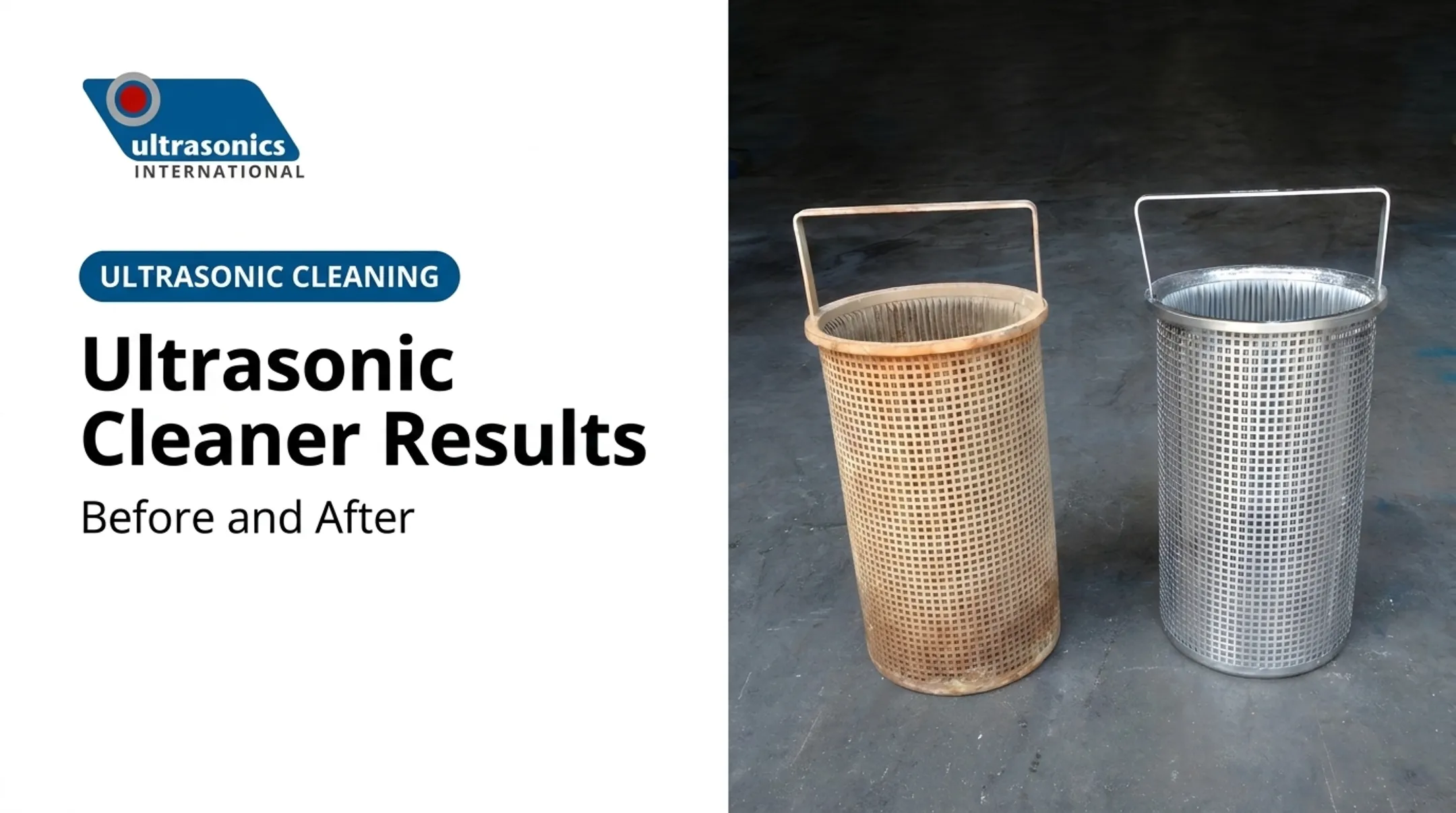
Ultrasonic cleaning uses cavitation, the rapid formation and collapse of tiny bubbles in a cleaning solution, to loosen contaminants from hard surfaces and recesses, per Branson's primer. It complements inspection, hand cleaning, rinsing, drying, and repair. It doesn't replace them.
Suitable candidates include selected hard contents, ceramics, tools, hardware, and some plastics. Be cautious with:
- Porous or sealed items
- Delicate pieces
- Electronics, since ZESTRON warns components with piezoelectric quartz crystals can suffer resonance damage
Test compatibility first.
Designing an Efficient Cleaning Line
The tank is only one piece. A workable line includes:
- Item staging and baskets
- Chemistry control
- Wash and rinse stages
- Drying and deodorization
- Ventilation
- Separation of clean and contaminated work
Organize packout categories around the equipment so items move consistently without extra sorting or rework. Use compatible chemistry, and avoid strong acids, solvents, and flammable cleaners unless the manufacturer permits them.
Equipment Selection Criteria
Check these before buying:
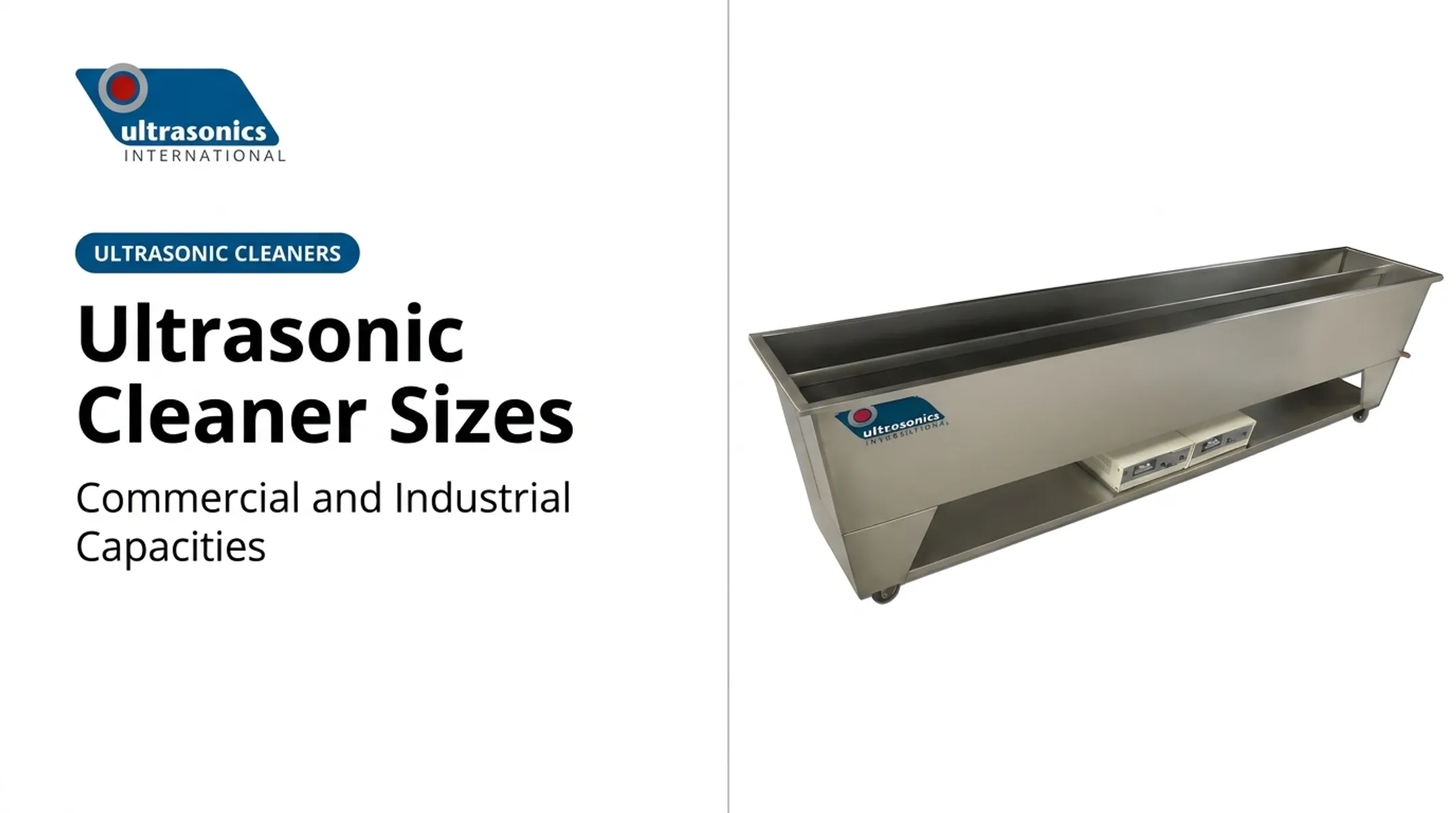
- Tank dimensions and usable capacity
- Frequency, power, and temperature controls
- Automation, baskets, and rinse and drying options
- Chemistry compatibility
- Maintenance access and safety features
- Size and sensitivity of your typical items
Request testing or a demonstration with representative materials, and judge the whole workflow rather than the tank alone.
Where Ultrasonics International Corp. Fits
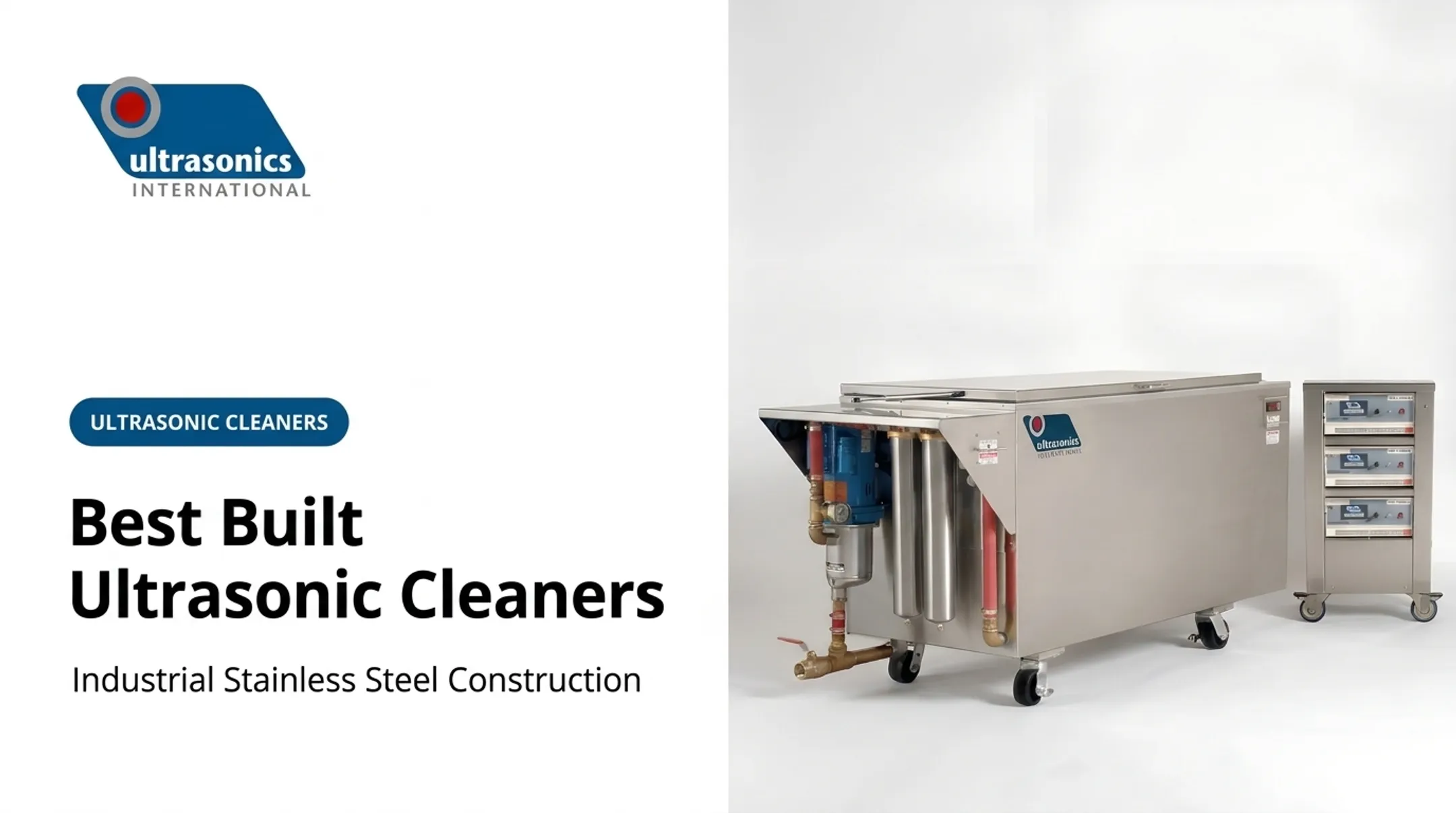
Ultrasonics International Corp., established in 1992, manufactures USA-made equipment at its Ferndale, Washington plant. Systems range from benchtop units to heavy-duty industrial equipment for restoration and other cleaning applications. The company is an equipment maker, not an emergency contents restoration provider.
Key differentiators include:
- Stainless-steel construction and Wave Sweep Technology
- Custom machinery and tank retrofits
- Technical installation assistance
- QAI oversight with third-party plant inspections twice annually
Its Fireline Series I line combines pre-washing, ultrasonic cleaning, rinsing, and tunnel drying. Each cleaning station holds three contents baskets, and the tunnel dryer holds four. Restoration operators can call 800.500.2544 or email sales@sonicpro.com for equipment guidance.

How Should Restoration Contractors Evaluate Contents Restoration Equipment and Partners?
Assess the Restoration Service Provider's Capabilities
Verify experience with your damage type and these item categories:
- Packout, inventory, and secure storage
- Textiles, hard contents, and electronics
- Documents and art
- Odor treatment and pack-back
IICRC's CPT and FSRT credentials cover contents processing and fire/smoke work.
Ask for:
- A clear scope of work
- Salvageability criteria
- A communication process
- References or documented examples
- Coordination with owners, adjusters, and other contractors
Review Safety, Documentation, and Quality Controls
Ask about:
- Worker safety and contamination controls
- Secure handling and storage conditions
- Item-level records and photographs
- Functional testing and final quality assurance
For electronics, ask who can access devices and data, how transfers are recorded, and what happens to non-restorable media. NIST's media-sanitization guidance (SP 800-88) is a useful reference point.
General contents cleaning is not hazardous-material remediation. Asbestos, lead, sewage, and trauma contamination call for qualified specialists. OSHA's asbestos interpretation, for example, applies to specific remediation scopes, not every cleaning job.
Compare Equipment Partners by Total Workflow Value
Price is one factor. Compare:
- Installation support and training
- Chemistry guidance
- Baskets and accessories
- Maintenance and retrofit options
- Application testing
- Warranty terms and ongoing technical support
Warranties vary by model. One published SuperPro manual, for example, gives a model-specific two-year defects warranty that excludes cavitation erosion, misuse, and transport damage. Get current written terms for the exact model.
Then review fit against your own operation:
- Space and staffing
- Item mix and cleaning categories
- Expected volume and future expansion

Frequently Asked Questions
What does content restoration mean?
It's the professional process of assessing, cleaning, repairing, deodorizing, and returning personal or business belongings damaged by fire, smoke, water, mold, or storms.
What is the difference between content recovery and content restoration?
Recovery usually means securing, stabilizing, documenting, and salvaging belongings. Restoration focuses on returning suitable items to a usable or pre-loss condition. Providers use the terms differently, and IICRC itself uses them in overlapping ways.