
Introduction
A part has to be clean before anyone can trust an inspection, a measurement, a rebuild, or a coating. Hand scrubbing eats labor hours and still leaves grease and carbon packed in passages and crevices.
Machine shop hot tank cleaning equipment is heated immersion equipment. It combines a cleaning solution, controlled temperature, dwell time, and agitation to loosen heavy soils. Skipping this step has a real cost: a head must be completely clean before pressure testing, according to Engine Builder, or cracks stay hidden.
This guide covers equipment selection, material compatibility, safe operation, maintenance, and where ultrasonic cleaning fits.
Key Takeaways
- Results depend on heat, chemistry, time, agitation, loading, and rinsing together, not temperature alone.
- Size the system around part dimensions, weight, basket capacity, handling gear, and throughput.
- Confirm chemical compatibility before cleaning aluminum, zinc, magnesium, coated parts, or seals.
- Filtration, rinsing, drying, ventilation, and waste handling drive real operating cost.
What Machine Shop Hot Tank Cleaning Equipment Is
Components and Primary Uses
A hot tank is a heated chemical bath where parts are immersed. LS Industries describes its HT-100 for deep cleaning engine blocks, cylinder heads, and heavy parts, removing grease, oil, carbon, paint, and other heavy contaminants.
Typical components include:
- Tank vessel and lid or guarding
- Heating system (electric or gas) with thermostat and controls
- Basket or platform, plus a boom or hoist
- Agitation or circulation
- Drain, and optional oil skimmer or filtration
These are typical examples, not a universal parts list. Hot tanks are not the answer for every soil. Fine embedded residue in blind holes or delicate finishes may need another process.
Whatever method you use, leftover contamination can hide cracks, wear, surface damage, and blocked passages. Those defects decide whether a part gets repaired, machined, or replaced.
Where Hot Tanks Fit in a Cleaning Line
| Method | Best fit |
|---|---|
| Heated immersion | Heavy grease, oil, carbon on engine parts and passages |
| Aqueous spray | Heat plus water pressure for exposed surfaces |
| Thermal | Burns off grease and grime; parts still need cleaning afterward |
| Ultrasonic | Cavitation reaches small-area grime and hidden surfaces |
| Manual solvent | Historical VOC methods that pollute air and endanger workers |
Hot tanks work best after large deposits and loose debris are removed, and before rinsing, drying, inspection, machining, or coating.
How Hot Tank Cleaning Works
The Basic Workflow
- Identify the part material so you can match chemistry and temperature limits.
- Disassemble where appropriate and remove heavy deposits before the bath.
- Select a compatible solution for the alloy and soil type.
- Load parts so baskets and racks do not block circulation.
- Run the cycle at the detergent and equipment makers' recommended settings.
- Rinse, dry, inspect, and apply corrosion protection.

Orientation matters. Baskets and racks should:
- Let solution flow through passages
- Avoid trapped air and shadowed areas
- Never be overloaded
Cycle time varies with soil, deposit thickness, geometry, solution condition, temperature, agitation, and load. No single cycle fits every job.
Chemistry and Process Control
The Sinner circle names four variables: time, temperature, chemistry, and mechanical action. They interact, so changing one often means adjusting another.
Operating ranges are product-specific. NuGeneration's AquaKlean STC-HT data sheet lists 1-10% by volume, 110-165°F, and 5 seconds to 5 minutes for ferrous and stainless steel. Treat that as one product's claim, and follow your own detergent and equipment manufacturers' ranges.

Material Compatibility
Strong alkaline cleaners suit many ferrous parts but can harm others.
- Aluminum: Products Finishing warns free caustic strips the natural oxide and can etch or dissolve the metal. LS lists a separate aluminum-safe soap.
- Zinc and magnesium: A 2023 study on coated galvanized steel found strong alkaline cleaning dissolved surface oxide. That finding applies to the coating, not necessarily bare parts.
- Finishes, rubber, and plastics: Confirm compatibility with the supplier.
Test on a sample and get supplier confirmation before processing.
How to Choose Machine Shop Hot Tank Cleaning Equipment
Tank Size, Load Capacity, and Part Handling
Measure your largest parts and assemblies. Then account for basket clearance, circulation, lifting access, spacing, and the rated weight of baskets, hoists, or forklifts.
A tank that physically holds a part can still be too small to clean it well. Parts that need reorienting or multiple baskets need extra room. Gallon capacity alone does not set either the part envelope or the load limit.
| Model | Published specs |
|---|---|
| LS Industries HT-100 | 100 gal; 34 x 22 in basket; 500 lb; 6 kW electric; 0.5 HP agitation; belt oil skimmer |
| AXE AT-10 | 100 gal; 24 x 36 in interior; 5 kW heater; up to 250°F; agitating impeller |

Production Throughput and Workflow
Use actual shop data: parts per batch, soil load, target volume, cycle time, loading and unloading time, and rinse or drying stages.
A manual batch tank suits low, varied volume. Consider automated lifts, timed cycles, multiple tanks, pre-wash stages, rinse stations, or a production line when batches repeat and labor time climbs.
Heating, Agitation, and Controls
Heat-up time, temperature stability, recovery after loading, and insulation affect repeatability. Timers, alarms, and accessible controls reduce how much attention operators need.
Bath-management features extend solution life and reduce recontamination:
- Oil skimmers or separation
- Filtration
- Overflow weirs
- Easy sludge removal
Facility, Safety, and Total Cost
Plan the install around:
- Floor space and floor loading
- Electrical or fuel utilities
- Ventilation, drainage, and containment
- Lifting access and chemical storage
- Room for rinsing and drying
Compare full ownership cost, not purchase price alone:
- Equipment and installation
- Heating, water, and chemistry
- Labor, waste disposal, and maintenance
- Parts and downtime
No reliable benchmark exists across shops, so build the estimate from quotes and your own numbers.
Hot Tank vs. Ultrasonic Cleaning
How the Cleaning Actions Differ
Hot tanks rely on heated chemistry, immersion, time, and agitation. Ultrasonic systems use high-frequency sound to create cavitation, where collapsing bubbles scrub exposed and hidden surfaces, as Branson explains. That reaches recesses, blind holes, and channels.
Neither is universally better. Compare options by:
- Contaminant type and load
- Part geometry, alloy, and surface sensitivity
- Batch size and required cleanliness
A greasy, carboned block suits a hot tank. A fuel injector or intricate manifold may suit ultrasonics.
When a Combined Process Makes Sense
A hot tank or pre-wash can remove bulk grease first. Ultrasonics then handles embedded contamination and internal passages, followed by rinsing, drying, and corrosion protection.

Ultrasonic selection takes more than tank dimensions. Evaluate these factors through application testing:
- Frequency and watt density
- Chemistry and temperature
- Part placement, load weight, and filtration
Relevant Equipment and Retrofit Options
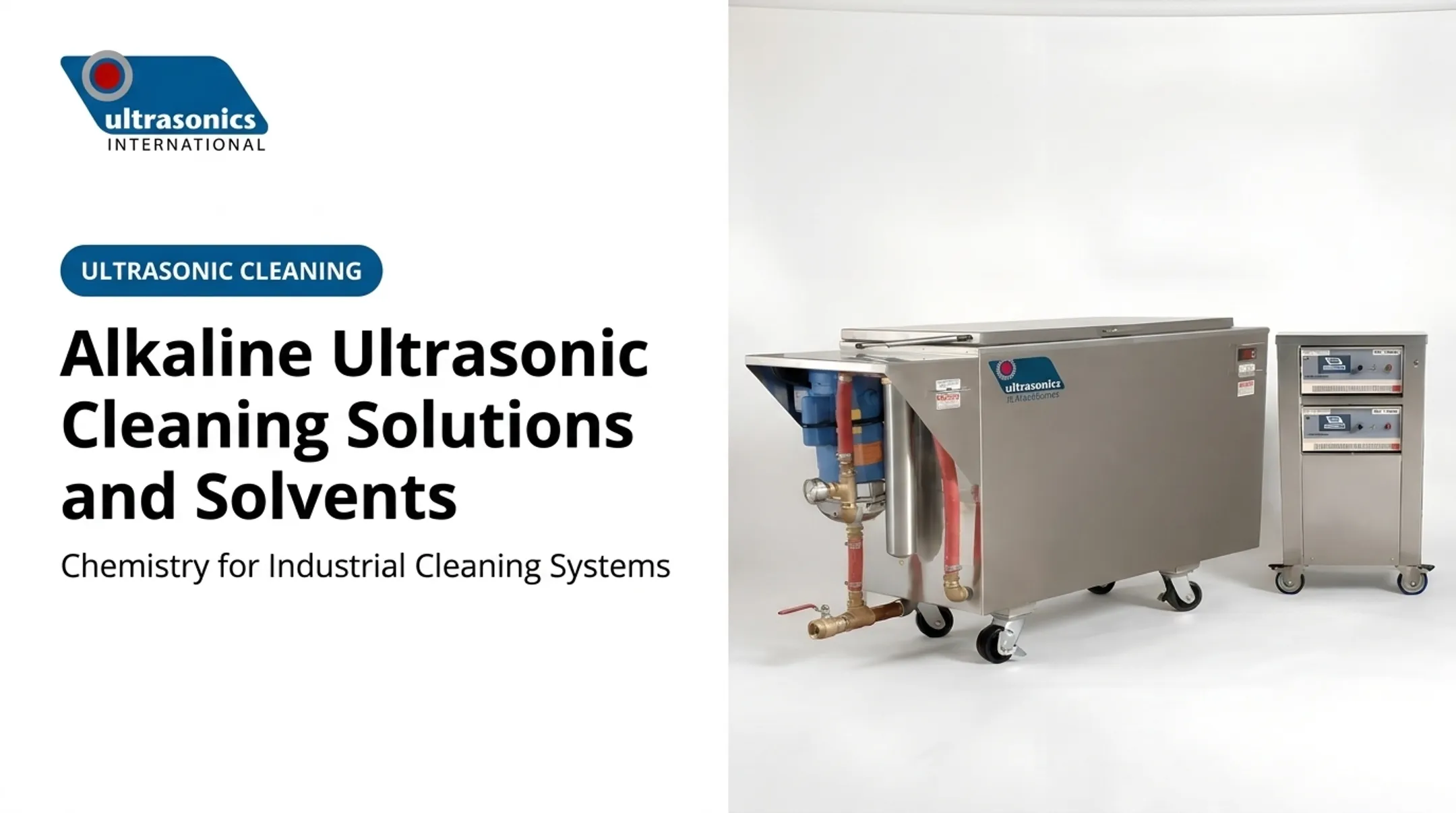
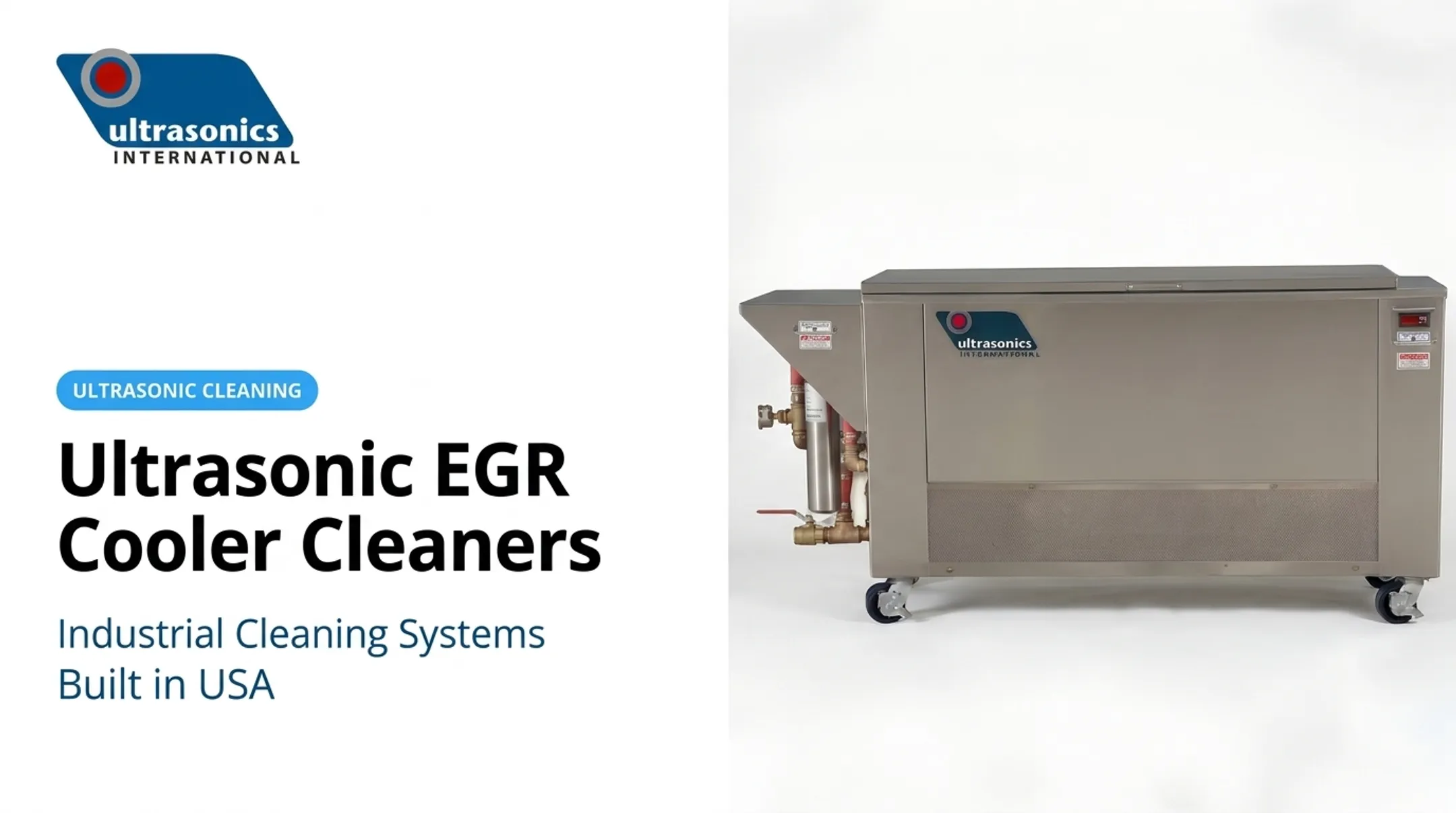
Ultrasonics International Corp. is a USA-made manufacturer of ultrasonic cleaners, pre-washers, custom machinery, support modules, and retrofit solutions. Built in Ferndale, Washington since 1992, its units use stainless-steel construction and Wave Sweep Technology.
It does not supply hot tanks. For shops adding an ultrasonic stage, retrofitting an existing tank, or specifying a custom system, start with an application review at sales@sonicpro.com or 800.500.2544.
How to Operate and Maintain a Hot Tank System
Safe Operation and Chemical Handling
- Read the detergent safety data sheet; OSHA's HazCom rule requires accessible SDSs and training.
- Assess hazards and provide eye, hand, body, and foot protection under 29 CFR 1910.132.
- Control vapors and splashes, and restrict access to hot solution. Ventilation rules in 1910.124 depend on the operation, so confirm what applies.
- Apply lockout/tagout (1910.147) during servicing.
- Keep forklift and hoist loads within rated capacity.
- Never assume a chemical is safe for every alloy or coating
- Never mix products without manufacturer approval
- Confirm disposal before discharging spent solution
An alkaline bath is not automatically D002 corrosive, and sewer discharge is a separate determination from hazardous-waste classification.
Cleaning Quality, Rinsing, and Corrosion Prevention
- Rinse immediately and thoroughly to remove chemical residue
- Dry passages and surfaces completely
- Apply a corrosion inhibitor where the material and process call for it
Log solution condition, temperature, concentration or pH checks, cycle results, rejected loads, and material-specific instructions. That makes results repeatable between operators.

Preventive Maintenance
Maintenance covers:
- Sludge removal and tank inspection
- Heater or burner cleaning
- Agitation and circulation checks
- Drain, filter, and leak checks
- Basket condition, controls, guards, and lifting components
This protects heat transfer, keeps old soil off new loads, limits downtime, and shows when a bath or component needs replacing. Intervals vary by model, so follow the manufacturer's schedule.
Frequently Asked Questions
Can an engine head be repaired?
Hot tanking does not repair a head. It removes contamination so technicians can inspect for cracks, corrosion, warping, or wear and decide whether to repair, machine, or replace it.
How much does a cylinder head cost?
Price depends on engine type, material, condition, damage, machining needs, and whether the head is new, rebuilt, or used. Core charges are common. Cleaning equipment is a separate purchase.
What is a hot tank used for in a machine shop?
Heated immersion cleaning of heavy grease, oil, carbon, and other compatible soils before inspection, machining, rebuilding, or finishing.
Can you hot tank aluminum parts?
Only with the right chemistry. Compatibility depends on the solution, temperature, exposure time, and alloy, so check detergent and equipment manufacturer guidance first.
How do I choose the right hot tank size?
Start with the largest part dimensions, load weight, basket clearance, and lifting method. Then factor in batch quantity, circulation, cycle time, and future volume.
Is ultrasonic cleaning better than hot tank cleaning?
Neither wins universally. Hot tanks handle bulk soil, while ultrasonics reaches intricate surfaces and passages. Choose or combine them by application.